
Optimizing HVAC Comfort: The Role of Hair Removal in Climate-Controlled Environments
Maintaining optimal indoor air quality and comfort is central to any HVAC system’s effectiveness. While much focus lies on air flow, filtration, and temperature control, overlooked factors like hair accumulation—on vents, registers, and filters—can impact system efficiency and air purity over time. Managing hair buildup in HVAC spaces contributes to lasting comfort and system longevity.
For more specialized guidance on managing hair removal solutions in personal and commercial environments, it’s worth reviewing professional insights on lasting hair removal methods that can reduce hair-related debris near HVAC intakes and reduce allergies assisted by air circulation systems.
Understanding which hair removal technique fits the type of hair and the environment can indirectly support HVAC maintenance schedules and indoor health.
How Hair Management Supports HVAC System Efficiency
HVAC systems rely on unobstructed airflow to maintain temperature and humidity levels effectively. Hair, pet fur, and other debris can accumulate on vents, air filters, and interior ductwork, restricting airflow and placing strain on system components.
Reducing the presence of loose hair through permanent hair removal can decrease the need for frequent cleaning of HVAC filters and vents, which enhances the system’s operating efficiency and longevity. Laser hair removal, electrolysis, or other professional treatments that suit various hair types can contribute to cleaner environmental zones where HVAC systems draw air.
Integrating personal grooming considerations with HVAC upkeep offers a holistic approach to building wellness that complements your climate control strategy.
Choosing Suitable Hair Removal Methods for HVAC-Enriched Environments
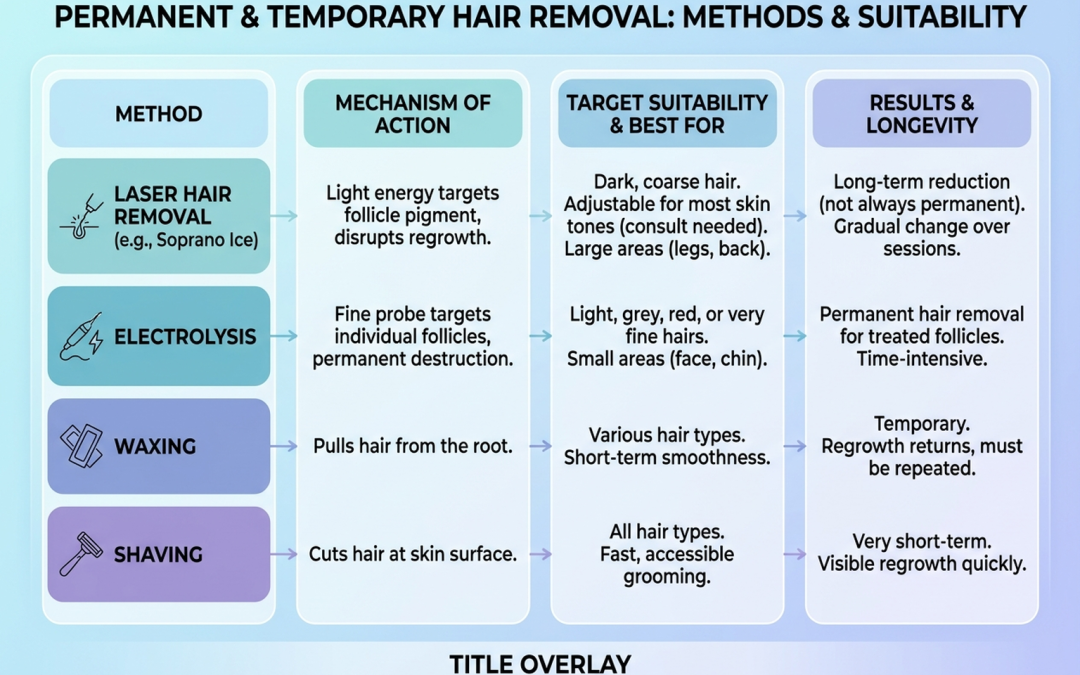
When hair removal is part of maintaining cleaner indoor environments, the chosen method matters. Hair removal techniques such as laser treatments primarily target dark, coarse hair, whereas electrolysis can treat finer or lighter hairs. Each method impacts the volume and frequency of hair shedding differently.
Understanding your environment’s natural hair accumulation patterns and personal grooming routines can help you select appropriate hair removal options, which in turn support HVAC system operation by reducing airborne hair particles and allergen loads.
This strategic approach ultimately aids in preserving cleaner airflow pathways.
Maintenance Tips for HVAC Systems in Hair-Prone Settings
To optimize HVAC performance in spaces where hair or fur is prevalent, consider the following tips:
- Regular filter replacement: Use high-efficiency particulate air (HEPA) filters designed to trap fine particles such as hair and dander.
- Frequent vent cleaning: Schedule periodic cleanings to prevent hair buildup that restricts airflow.
- Professional grooming routines: Encourage or adopt proper hair removal strategies that reduce shedding in indoor areas serviced by HVAC systems.
- Humidity control: Proper humidity levels reduce static buildup that can attract hairs to vents and ductwork.
These measures combined with informed hair removal choices contribute to a balanced HVAC ecosystem ensuring lasting indoor comfort.
Safety and Suitability in Combining Hair Removal with HVAC Considerations
Safe hair removal, when coordinated with an HVAC-conscious lifestyle, requires attention to skin sensitivity and treatment settings. For instance, laser hair removal devices must be adapted to skin tone and hair type, ensuring both comfort and efficacy without adverse effects, which minimizes disruptions in personal routines that impact indoor comfort.
Discussing medical or skin considerations with certified professionals before undergoing treatments can ensure predictable outcomes that align with lifestyle and environment needs.
Hair Removal and Indoor Air Quality: Enhancing Wellness
Indoor air quality (IAQ) directly influences occupant health, comfort, and productivity. Hair and skin flakes contribute to indoor particulates that HVAC filtration systems must address. Minimizing the source—hair shedding—creates synergy with HVAC filters and cleaning cycles, promoting cleaner, fresher air.
By integrating thoughtful hair removal planning into overall wellness and HVAC maintenance protocols, environments can achieve higher standards of cleanliness and reduced allergen exposure.
Comparing Hair Removal Options for HVAC-Centric Environments
| Method | Mechanism | Best For | Considerations |
|---|---|---|---|
| Laser Hair Removal | Targets pigment in hair follicles with light-based energy to reduce growth. | Dark, thick hair that commonly sheds in indoor environments. | Requires multiple sessions; most effective on darker hair. |
| Electrolysis | Uses electric current directly on individual follicles. | Light, gray, or fine hair not suitable for laser treatment. | More time-intensive for larger areas. |
| Waxing and Shaving | Manual removal methods that reduce surface hair temporarily. | Immediate hair removal but frequent regrowth and shedding. | Hair sheds faster; may contribute to more particles in air. |
Planning Hair Removal Treatments Aligned with HVAC Needs
Choosing a hair removal plan with flexibility allows for adjustments based on hair regrowth patterns, skin response, and environmental factors that impact indoor air quality. For example, managing facial or neckline hair with periodic treatments can reduce shedding onto HVAC intake areas.
Professional clinics often provide consultation and customized treatment schedules that align with client-specific needs and comfort, creating synergies between personal grooming and HVAC system efficiency.
Summary: Integrating Hair Management into HVAC Maintenance for Better Indoor Comfort
Effective HVAC system performance demands clean air pathways free from excessive particulates like hair. Considering permanent hair removal methods as part of personal or facility hygiene routines can help maintain cleaner environments, reduce filter load, and contribute to consistent air quality.
For detailed insights into hair removal techniques that support lasting smoothness and reduced shedding, explore the original expert resource at Royal Laser Clinic’s permanent hair removal guide.
Get Professional Advice on Hair Removal and Indoor Comfort
Combining HVAC expertise with personal hair management strategies provides a forward-looking approach to wellness and home or workplace comfort. Certified aesthetic professionals can assess your hair type and recommend solutions that minimize shedding and complement your indoor environment management.
Engaging with clinics that offer individualized plans ensures your grooming routine supports HVAC system health and indoor air quality, creating a more enjoyable and efficient climate-controlled space.


