
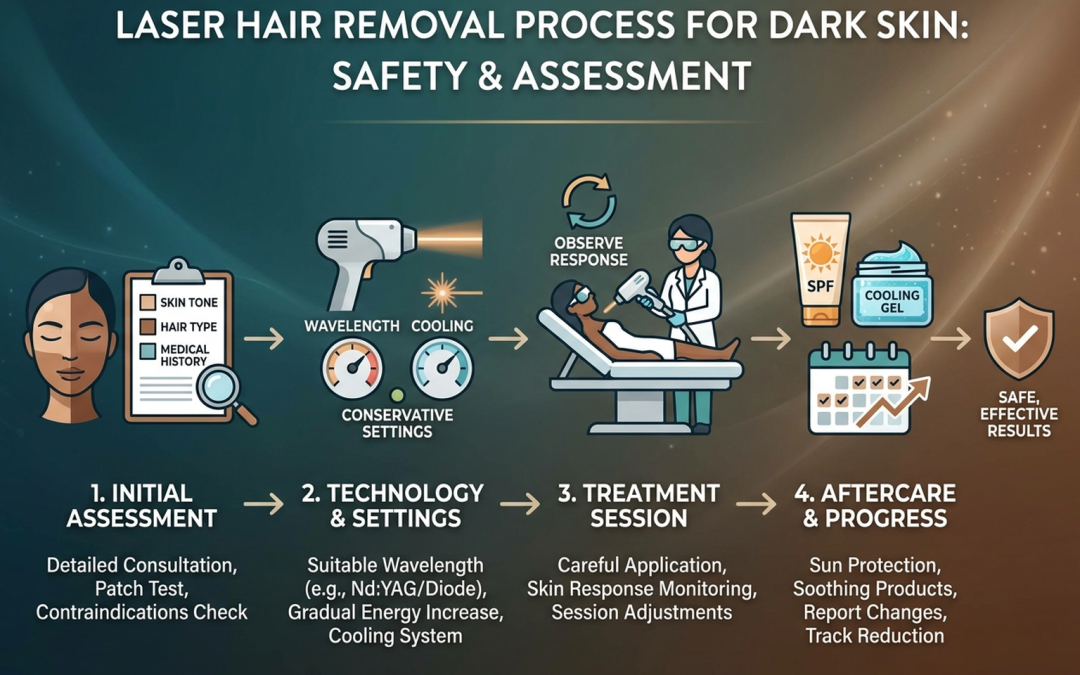
Effective HVAC Maintenance: Tailoring Solutions for Diverse Building Needs
Proper HVAC system care ensures comfort and efficiency regardless of building type or occupancy. Achieving optimal performance starts with selecting the right equipment and settings customized to each space’s unique characteristics such as insulation, airflow patterns, and climate conditions. An experienced HVAC professional evaluates building size, heating and cooling load, existing infrastructure, and occupant preferences before recommending a maintenance or upgrade plan.
Older HVAC units often struggle to efficiently regulate indoor environments, particularly in buildings with varied thermal requirements. Modern HVAC technologies provide better adaptability and energy management for complex settings, but safe and effective operation still depends heavily on tailored system calibration, ongoing monitoring, and adjustments as conditions change. For detailed guidance on choosing and servicing your HVAC system, review this comprehensive discussion on safe treatment protocols adapted here to building environmental control.
Why Customized HVAC Plans Matter for Complex Environments
Just as melanin levels influence skin treatment, various building factors dictate HVAC system demands. Thermal load, occupant density, and exposure to sunlight affect indoor temperature variances. An improperly sized or configured system can lead to discomfort or inefficiencies, much like excessive heat absorption can damage sensitive skin during laser treatments.
Effective HVAC strategies “separate” heating and cooling needs clearly through zoning, programmable controls, and appropriate equipment selection. These approaches ensure energy is targeted precisely where required, avoiding excessive wear or waste. Initial assessments and pilot testing of system settings are crucial to gradually optimize performance while allowing the building to adapt.
Materials and structural variations, similar to hair color differences in laser therapy, also impact how HVAC systems perform. For example, older insulation or single-pane windows may reduce system effectiveness despite proper equipment choice. Understanding these nuances upfront supports realistic expectations and better outcomes.
Quick facts about HVAC maintenance for diverse buildings
Key considerations for efficient operation.
- Safety and efficiency: Proper equipment and settings reduce energy waste and prevent system overload.
- Comfort: Zoning and precise control enhance occupant experience while minimizing operational cost.
- Ongoing care: Regular inspections and tune-ups address wear and detect early issues.
- Preparation: Keep filters clean, maintain clear airflow paths, and schedule seasonal checks as recommended.
- Assessment: An expert evaluation covers building usage patterns, HVAC component status, and specific environmental goals.
Technology is One Factor—Expertise and Protocols Complete the Solution
Choosing the right HVAC platform is fundamental, but the technician’s expertise and maintenance procedures are equally important. For example, advanced variable-speed compressors and smart thermostats can precisely meet building demands, but only if properly set up and regularly calibrated.
During professional service visits, technicians evaluate prior system performance, check for changes in building use or external conditions, and adjust controls accordingly. Shifts in factors like weather patterns, occupancy schedules, or insulation status require tailored tuning rather than default settings.
Consistent management is especially critical for larger or mixed-use spaces where heating, cooling, and ventilation needs vary widely. Similarly, specialized setups such as HVAC systems in commercial buildings or multi-family dwellings benefit from detailed care plans customized per zone or tenant.
Choosing an HVAC Provider Ready for Complex Challenges
A trustworthy service provider should openly address detailed questions about system safety and efficiency rather than offering generic assurances. Important queries might include the types of equipment recommended, diagnostic methods employed, pilot testing procedures, and protocols for resolving unexpected performance issues.
- Initial evaluation: Providers should analyze building size, HVAC history, and thermal profiles.
- Comprehensive health check: Consider effects of recent renovations, occupant changes, or new equipment installations on system demand.
- Realistic scheduling: Maintenance intervals should align with manufacturer recommendations and seasonal usage patterns.
- Clear guidance: Homeowners and facility managers need instructions for proper system use, filter changes, and problem reporting.
Professionals should also clarify differences between routine upkeep and comprehensive upgrades, helping clients understand that effective HVAC care supports long-term comfort and energy savings rather than immediate, drastic system overhauls.
What to Expect During Your HVAC Maintenance Visit
A thorough service appointment is deliberate and not rushed. The technician confirms the system is powered down as needed, inspects filters, belts, electrical connections, and ductwork, and evaluates airflow and temperature control. If recent weather extremes or system malfunctions have occurred, additional diagnostics or postponed service may be advisable to avoid issues.
Many owners notice minor noises or fluctuating airflow during treatment or adjustment phases. Experienced technicians use these clues alongside instrumentation readings to fine-tune system settings. Likewise, comfort sensations may vary between rooms due to differences in ventilation design or occupancy.
Aftercare recommendations often include replacing filters on schedule, monitoring thermostat programming, keeping air intakes unobstructed, and scheduling cooling/heating season tune-ups. Preventive measures help avert costly repairs and maintain system efficiency.
HVAC Maintenance vs. Reactive Repairs: The Better Approach
Routine HVAC upkeep and emergency repairs address system issues differently. Choosing the right approach depends on budget, system age, and occupant needs.
| Approach | How it affects system | Common consideration |
|---|---|---|
| Regular Maintenance | Proactively cleans, adjusts, and tests system components. | Prevents breakdowns, improves efficiency, and extends equipment life. |
| Reactive Repairs | Fixes problems after failure or major symptoms appear. | Can be costly, cause occupant discomfort, and reduce system longevity. |
For buildings with complex HVAC zoning or older infrastructure, scheduled maintenance daylights potential issues early and lessens the risk of breakdowns during peak use.
Preparation and Best Practices to Protect HVAC Systems
Step 1: Provide complete building and system history
Inform your technician about previous repairs, upgrades, unusual issues, and occupancy patterns. This context lets them customize their service for your specific HVAC setup.
Practical result: Maintenance plans account for hidden challenges beyond basic system inspection.
Step 2: Manage seasonal conditions carefully
Extreme temperatures impact system efficiency and stress components. Scheduling tune-ups before summer and winter seasons helps maintain steady performance.
Practical result: Systems stabilize quickly and operate reliably when weather shifts.
Step 3: Keep vents and filters clean
Blockages reduce airflow and force HVAC equipment to work harder. Replace or clean filters regularly and keep registers clear of obstructions.
Practical result: Cleaner air and more efficient heating and cooling.
Step 4: Follow manufacturer and technician advice
Using recommended products and avoiding unapproved modifications prevents system damage and preserves warranty coverage.
Practical result: Avoiding costly issues from improper maintenance.
Step 5: Report any irregular system behavior
Unusual noises, odors, or temperature swings should be communicated promptly to maintenance personnel.
Practical result: Early intervention reduces downtime and repair expenses.
Questions to Ask Your HVAC Service Provider
A thorough consultation is a key indicator of provider quality. Ask questions like:
- What equipment brands and models do you recommend? Inquire about their suitability for your building’s demands and any energy efficiency certifications.
- What experience do your technicians have with similar HVAC systems? Confirm their training and practical background.
- How do you determine the appropriate maintenance or repair plan? Expect explanation about system evaluation methods and tailored recommendations.
- What should I do if the system shows problems between visits? Get clear instructions on emergency contacts and troubleshooting steps.
- How is system performance tracked over time? Understanding key indicators helps you monitor comfort and cost-effectiveness.
Long-Term HVAC Care for Sustainable Comfort
Effective HVAC management requires more than equipment—it demands skilled service, realistic planning, and proactive care. Professional providers prioritize results that fit client needs and building conditions rather than fixed maintenance packages or unnecessary replacements.
Many companies, including those experienced in advanced client-centered service models, deliver ongoing consultation, tailored maintenance, and flexible scheduling that maximizes system lifespan while lowering energy consumption.
For detailed information on ensuring your building’s HVAC system operates safely and efficiently, and to request a personalized service plan, contact a certified HVAC technician near you.


