
Understanding Permanent Hair Reduction within HVAC Environments
When it comes to maintaining optimal indoor air quality and overall comfort, HVAC systems play a vital role in managing environmental factors—including airborne particulates like hair and dust. While “permanent hair removal” generally refers to cosmetic treatments, it also indirectly affects indoor air cleanliness by reducing hair shedding in living and working spaces, easing the burden on HVAC filtration systems.
In spaces where hair accumulation is frequent—such as salons, spas, or residential settings—the efficient operation of HVAC units can be impacted by clogged filters and ductwork. Managing hair through treatments like laser hair removal reduces particulates that might otherwise circulate in the air. Learn more about permanent hair reduction options here to understand how this influences your indoor environment.
Hair growth occurs cyclically, and laser treatments target hair follicles during active phases, leading to finer, lighter regrowth and fewer loose hairs over time. Fewer loose hairs mean less debris for HVAC air filters to capture, promoting cleaner airflow and potentially lowering maintenance needs.
How Laser Technology for Hair Removal Complements HVAC Air Quality Management
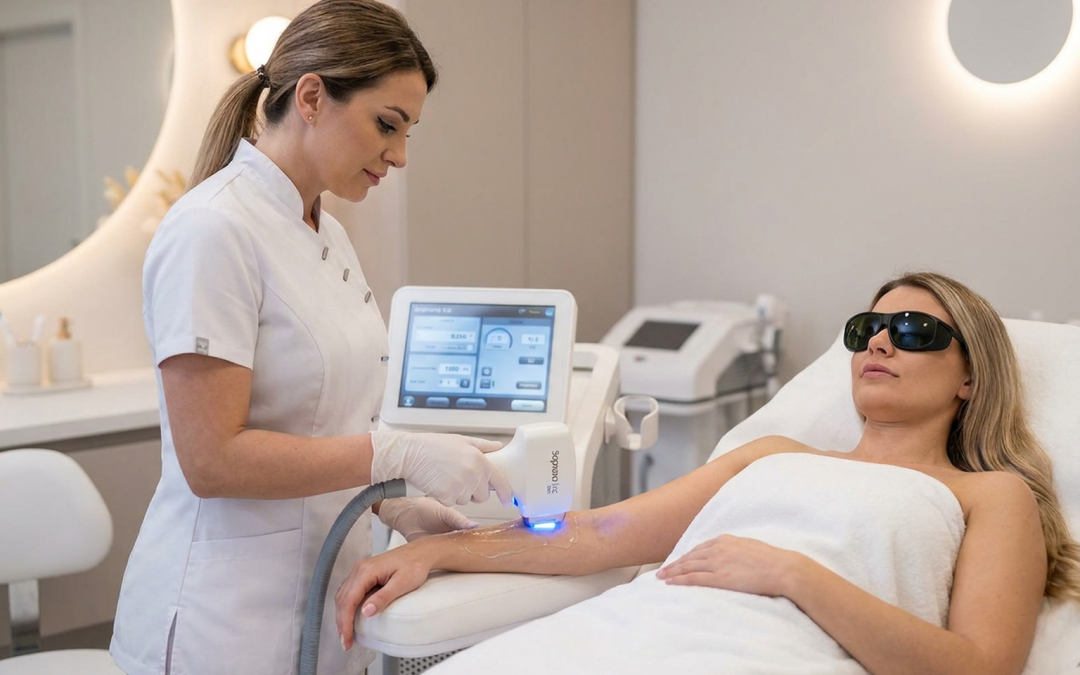
Modern laser hair removal technologies, such as the Soprano Ice laser, utilize gradual heating to effectively reduce follicle activity while minimizing skin discomfort. This non-invasive method supports a reduction in airborne hair particles that HVAC systems might otherwise need to manage.
The Soprano Ice device works through continuous motion and built-in cooling for comfort during treatments in sensitive or high-hair-density areas—including face, underarms, and bikini lines. For HVAC specialists and facility managers, fewer airborne hairs can translate to longer filter life and more efficient system operation.
- Gradual energy delivery: The laser’s repeated motion method targets hair follicles steadily, reducing active hair and loose hair accumulation.
- Integrated cooling: Enhances comfort during treatment, encouraging client adherence to hair reduction schedules.
- Personalized skin assessment: Treatment parameters are customized based on skin tone and hair characteristics, ensuring effective hair reduction tailored to each client.
- Treatment area specificity: Recognizes that denser or coarser hair in areas like underarms interacts differently with HVAC particulate management than finer facial hair.
Choosing Professional Laser Hair Removal to Improve Indoor Air Quality
When evaluating providers for laser hair treatments that indirectly support HVAC system efficiency, it’s important to select clinics that approach treatment with transparent and user-centric care. A well-conducted consultation will consider how your hair reduction needs interact with daily life and environmental factors such as HVAC air quality.
Royal Laser and Skincare Clinic, family-owned since 2010, specializes in personalized laser hair removal using FDA-approved Soprano Ice technology. Their individual assessment approach ensures treatment schedules target your specific hair growth cycles, which can help reduce airborne hair levels in your indoor environment more effectively.
Unlike clinics that offer fixed appointment packages, Royal Laser focuses on delivering results with a flexible plan and lifetime touch-ups, maximizing the benefit of hair reduction within your living or workspaces—and ultimately assisting in cleaner, more manageable HVAC system performance.
Key questions to ensure your clinic supports your needs and environment
- Will the technician tailor treatments to my hair and skin type? Appropriate training ensures efficacy and comfort.
- How are settings adjusted for skin tone, hair density, and environmental factors? Customized plans prevent treatment inefficiency.
- Is progress tracked and treatment adapted over time? Effective monitoring supports consistent hair reduction, influencing indoor debris levels.
- Are follow-up consultations and touch-ups included? This maintains results that can contribute to less indoor particulate impacting HVAC systems.
Preparing for Your First Laser Hair Removal Session in a Climate-Controlled Setting
Your initial appointment combines consultation and treatment preparation, vital for ensuring not only optimal personal results but also reducing environmental hair fallout that HVAC systems manage daily. Communicating your hair removal history, skin sensitivities, and treatment goals helps the aesthetician customize your plan.
Preparation includes shaving the treatment area to enable the laser to adequately target hair follicles without interference. Avoid waxing, plucking, or bleaching prior to sessions, as these remove the root that lasers must affect. Proper timing reduces treatment delays and supports faster hair reduction, decreasing airborne hair shed that might otherwise circulate through HVAC ducts.
Sessions vary in length depending on the area treated; smaller zones require less time, while complete body plans take longer. Protective eyewear and careful handpiece movement ensure client safety and comfort. Post-treatment, mild redness or warmth is normal; clear aftercare instructions help avoid complications that can affect your time spent in conditioned environments.
What to bring to your consultation for optimal results and environmental impact
- Your hair removal habits: Frequency, methods, and past experiences inform treatment timing.
- Skin condition and sensitivity details: Recent sun exposure, active irritation, or related factors affect the safety and outcome of sessions.
- Your targeted areas: Whether focusing on facial hair, bikini lines, legs, or full body plans impacts session duration and management.
- Health and medication records: Transparency ensures your treatment is safe and effective, mitigating unforeseen reactions in controlled environments.
Comparing Hair Removal Methods and HVAC Maintenance Considerations
Shaving, waxing, and laser hair removal impact indoor environments differently from an HVAC perspective because they influence how much loose hair enters the air and clogs filters.
| Hair-Removal Method | Mechanism | Impact on Indoor Air & HVAC |
|---|---|---|
| Shaving | Cuts hair at skin surface. | Hair regrows quickly, producing frequent shedding that can clog filters and reduce air quality. |
| Waxing or Threading | Removes hair from the root. | Delays regrowth and reduces airborne hair temporarily but may cause skin irritation affecting indoor comfort. |
| Laser Hair Removal | Targets active hair follicles with light energy. | Gradually reduces hair density and shedding, minimizing airborne particulates that impact HVAC filter efficiency. |
Laser hair removal is a long-term solution aligned with sustainability and indoor air quality goals. For men interested in managing hair on areas like chest, back, or beard, see Laser Hair Removal for Men to explore tailored options.
Laser Hair Removal Across Skin Tones: Technology and HVAC Air Quality
Effective laser hair removal across diverse skin tones has advanced, especially with technologies like Soprano Ice designed for safe, gradual heating. Targeting hair while protecting surrounding skin minimizes side effects and ensures consistent hair reduction, subsequently reducing hair particles suspended in indoor air.
Older lasers were limited in safely treating deeper skin tones, but modern devices offer broader applicability. Individual assessments remain crucial, especially when recent tanning, active skin conditions, medications, or hair characteristics influence treatment suitability and expected outcomes.
A candid discussion about your skin and hair ensures realistic expectations and helps decide the best approach not only for your aesthetic goals but also for managing indoor environmental factors affected by hair shedding.
Key Components of a Transparent Laser Hair Removal Plan That Supports HVAC Efficiency
A comprehensive treatment plan goes beyond scheduling sessions. It outlines treatment areas, preparation routines, normal skin reactions, progress reviews, and aftercare support. This holistic approach promotes consistent hair reduction that benefits both personal comfort and indoor air quality.
Royal Laser and Skincare Clinic adopts a flexible model based on individual needs instead of fixed-appointment packages. Unlimited sessions until your desired outcome and lifetime free touch-ups are part of their results-guaranteed care, ensuring lasting benefits that extend to cleaner, less clogged HVAC systems at home or workplace.
Before you commit, check Laser Hair Removal Prices and prepare questions to discuss during your consultation. Clear information is especially helpful when managing multiple treatment areas or addressing hormonal hair growth implications.
Signs your treatment plan prioritizes your results and home environment
- No pressure for preset packages: Your plan adapts to your hair reduction response and areas of concern.
- Clear preparation instructions: Knowing when to shave and how to protect skin and manage sun exposure promotes better results.
- Follow-up included: Regular progress reviews and scheduled touch-ups maximize long-term hair reduction and indoor air quality.
- Comfort focus: Your aesthetician monitors your comfort, adjusting treatment to minimize stress on skin and environment.
FAQs on Permanent Hair Removal and Its Impact on HVAC Systems
Some clients observe shedding and slower regrowth early in treatment; however, sustained hair reduction develops over multiple sessions as hair follicles cycle. This gradual change helps decrease airborne hair that can accumulate in HVAC filters.
Designed for comfort through gradual heating and cooling, clients often experience warmth or light prickling varying by sensitivity and hair density. Comfort ensures regular treatments and better results benefiting indoor environments indirectly.
Shaving is typically allowed as it trims hair at the surface without removing the follicle, maintaining laser effectiveness. Avoid waxing or plucking, which remove roots and interfere with treatment targeting—important for consistent indoor air quality improvements.
Laser treatments can reduce hormonal hair, but ongoing monitoring may be necessary due to fluctuating growth patterns. Effective management can reduce hair shedding in living or workspaces, aiding air quality and comfort.
Refrain from tanning and certain skincare products; avoid hair removal methods that pull from the root. Arrive with the area shaved and clean, and disclose any medication changes or skin issues. Proper preparation ensures safer, more effective treatments that contribute indirectly to HVAC maintenance.
Partner with Experts in Laser Hair Removal for Cleaner Indoor Air and Personal Comfort
Royal Laser and Skincare Clinic combines certified aesthetic expertise, advanced Soprano Ice technology, and a results-guaranteed model including lifetime touch-ups. This comprehensive care not only enhances your appearance but supports indoor environments by minimizing hair shedding that can burden HVAC systems. To explore how laser hair removal fits into your lifestyle and home climate control strategy, schedule a complimentary consultation with included first session assessment. Contact 905-237-3242, email info@royallaserclinic.com, or 📩 Book your free consultation today.


