
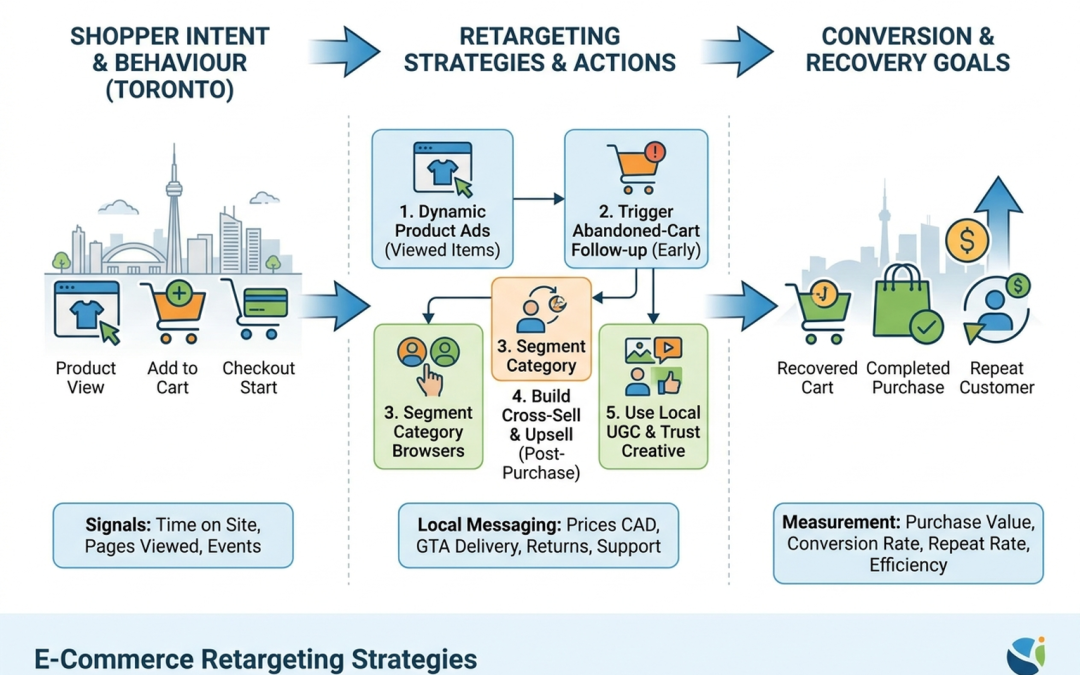
Maximizing HVAC Customer Engagement with Retargeting Strategies
Retargeting campaign strategies for HVAC businesses in Toronto are essential tools to reconnect with potential clients who have shown interest but have yet to finalize a service booking or purchase. HVAC companies face similar challenges as e-commerce stores in recovering lost leads—such as those who browsed system options, requested quotes, or abandoned appointment scheduling. A well-crafted retargeting plan recaptures these prospects by aligning messaging, timing, and incentives with the customer’s specific stage in the buying cycle.
For HVAC providers servicing Toronto’s unique climate and diverse neighborhoods, successful retargeting reduces barriers that can delay decision-making—like clarifying installation timelines, warranty coverage, local service availability, or financing options. Not all website visitors who explore HVAC solutions are ready to commit; some may be comparing brands, calculating costs, or waiting for seasonally appropriate scheduling. Effective retargeting keeps your brand top of mind during this consideration period.
Retargeting is most impactful when integrated with your broader digital marketing, including paid search campaigns such as Google Ads Management. This coordination ensures follow-up messages reflect user actions like requesting a quote or accessing system details, delivering a seamless customer journey from interest to booking.
Turning HVAC site visits into meaningful follow-ups with retargeting
By leveraging website tags, HVAC product feeds, service inquiries, and client lists, retargeting platforms can serve personalized ads that correspond directly to a visitor’s interaction—whether they viewed a specific furnace model, started a quote form, or scheduled maintenance before reconsidering. A prospective customer might see the exact HVAC unit or service package they showed interest in on Meta or Google Display Network, or receive a follow-up email nudging them towards completing their booking.
The core advantage lies in targeting intent: unlike broad advertising introducing your HVAC brand, retargeting engages individuals who have demonstrated measurable interest. For example, someone reading detailed specifications about an energy-efficient heat pump should not receive the same generic ad as a user who abandoned the booking form midway through.
Accurate event tracking is vital. Key actions like product views, quote requests, booking starts, confirmed appointments, and sign-ups must be consistently recorded using platform pixels and tag managers. HVAC companies can also benefit from connecting this data to Website Design & Development and conversion optimisation efforts, ensuring landing pages are optimized to convert returning visitors into customers.
Why localizing your retargeting matters for Toronto HVAC businesses
Toronto homeowners and businesses have access to a vast array of HVAC providers—from large national chains to local specialists. In this crowded market, clear and localized messaging can differentiate your services beyond just generic discounts. Ads and landing pages should highlight important details like pricing in CAD, expected installation time frames within the GTA, availability of emergency repairs, service warranties specific to the Toronto area, and clear return or service policies.
Incorporating local imagery—such as installations in Toronto homes, customer testimonials referencing neighborhoods like the Beaches or Danforth, or winter-focused maintenance campaigns—adds authenticity and builds trust. These contextualized visuals and stories are especially powerful for products and services tied closely to seasonal climate needs and regional building standards.
Only promise what your local operations can support
Claims like “Same-day service in downtown Toronto” create value only if scheduling, technician availability, and inventory levels support them. Segmenting campaigns by service zones—such as distinguishing between Etobicoke, Scarborough, North York, and the broader GTA—ensures messaging remains credible and reduces the risk of customer dissatisfaction.
Six retargeting strategies tailored for Toronto’s HVAC market
Structure your retargeting campaigns based on customer intent, beginning with those closest to booking and gradually broadening to browsing or previous clients. Managing ad frequency and excluding customers post-service avoids wasted spend and negative experiences.
Strategy 1: Deploy dynamic ads showcasing specific HVAC products and services
Dynamic ads automatically pull furnace models, air conditioners, or maintenance plans from your service catalog to show exactly what a visitor viewed or added to an interest list. This personalized approach is particularly helpful for HVAC providers offering multiple brands, system sizes, or seasonal promotions.
Audience: Segment visitors who viewed products, abandoned quote forms, or started scheduling.
Creative detail: Emphasize particulars like “Pricing in CAD” or “Next-day installation in GTA” where applicable.
Example: A homeowner who viewed a high-efficiency furnace can be retargeted with ads featuring that model’s specs, availability, and installation timeframe instead of generic heating service promotions.
Strategy 2: Engage cart or form abandoners quickly with helpful reminders
Initiate follow-up within 30 to 60 minutes after a visitor leaves an incomplete quote or booking form to increase conversion chances. Early messages should address common questions about service scope, warranties, financing, or scheduling options instead of leading solely with discounts.
Timing: Aim for prompt, informative touchpoints that guide prospects back to finish their request.
Guardrail: Cease follow-ups immediately after booking confirmation and avoid messaging if service availability changes.
Example: An HVAC company can remind a potential client about the benefits of a maintenance package with clear GTA-specific service guarantees rather than pushing a price cut.
Strategy 3: Differentiate category browsers from product-detail visitors
Not every site visitor shows equal intent. Someone browsing “Air Conditioning” services generically has less urgency than another researching a specific ductless mini-split system. Tailor ads accordingly—category browsers see broader service collections or comparisons, whereas detailed visitors receive direct links to their chosen system or offer.
Audience: Use engagement metrics like pages visited and time spent to segment casual browsers from high-intent prospects.
Budget control: Prioritize spend towards audiences closer to booking to maximize ROI.
Example: A visitor browsing “Heating systems” could be retargeted with ads for top furnace models, while a customer who checked out the installation page for a particular heat pump sees direct booking incentives.
Strategy 4: Cross-sell and upsell post-installation services
Retargeting continues after the initial HVAC installation. Use post-service campaigns to encourage maintenance plans, filter replacements, upgrades, or extended warranties. These offers should clearly complement the customer’s existing system.
Cross-sell: Promote seasonal tune-ups or smart thermostats after installation.
Upsell: Suggest premium maintenance packages or system enhancements only when added value is genuine.
Example: A customer who recently installed a furnace may receive an offer for a discounted winter inspection or a smart home integration service.
Strategy 5: Incorporate local user-generated content to build trust
Alongside professional product images, share customer testimonials, video reviews, or before-and-after installation photos showcasing your work in familiar Toronto settings. Local UGC resonates particularly well for service reliability, winter-readiness, or energy-saving benefits in this climate.
Creative test: Compare results from polished ads versus those including real customer experiences to identify what builds confidence best.
Compliance: Always obtain permission before using user content in paid campaigns.
Example: An HVAC company can showcase a client’s home in Rosedale sharing the impact of new insulation combined with furnace installation, paired with clear details on GTA service coverage.
Strategy 6: Manage frequency, exclude completed customers, and track performance accurately
Limit how often each prospective customer sees your ads to avoid fatigue, and exclude those who have already booked or received services. Measure effectiveness not only through platform-reported revenue but also by monitoring incremental bookings, customer lifetime value, and repeat service uptake.
Measurement: Track metrics like appointment booking rates, average service value, and cost per recovered lead.
Testing: Adjust single variables such as audience duration, ad creative, offers, landing pages, or frequency caps one at a time to optimize results.
Example: You might find that targeting visitors who abandoned quote requests within seven days yields better return than a broader 30-day window where intent has faded.
Selecting a knowledgeable digital marketing partner for HVAC retargeting
When outsourcing HVAC retargeting campaigns, it’s crucial to engage an agency skilled in comprehensive tracking set-up, feed management, and audience segmentation. Attractive ads aren’t enough if product feeds list outdated equipment or site forms aren’t optimized for conversions.
Toronto’s HVAC businesses should prefer a digital marketing agency Toronto that coordinates paid ads with fast-loading website design, accurate analytics, and email follow-ups to ensure consistency across all touchpoints. The agency should also understand HVAC-specific sales cycles, margin considerations, and customer lifetime value.
- Tracking transparency: Ensure full access to ad accounts, analytics, product/service feeds, and tag managers.
- Audience segmentation: Demand clear definitions for shoppers at different journey stages: browsers, quote requesters, bookers, and repeat clients.
- Reporting clarity: Expect insights linking ad spend to meaningful KPIs beyond impressions and clicks.
- Technical problem-solving: Confirm ability to resolve broken tracking tags, feed issues, slow pages, and booking process friction.
Zigma Internet Marketing offers Digital Marketing Services tailored to paid media, analytics, technical SEO, and conversion optimization—all critical for HVAC service growth in Toronto.
Factors influencing ROI in HVAC digital campaigns
Successful HVAC retargeting hinges on more than bid adjustments. Elements like proper equipment-market fit, inventory availability, site load time, transparent pricing, and a frictionless booking process strongly affect whether returning visitors convert into paying customers. An engaging ad cannot offset a clunky online scheduler or missing warranty information.
For digital marketing Toronto efforts, separate reporting for prospecting and retargeting initiatives should highlight combined contributions to revenue while carefully accounting for multi-touch attribution involving search, social media, email, or organic referral sources.
- Accuracy of product/service feeds: Dynamic ads require precise model names, images, service availability, and correct booking links.
- Conversion rate optimization Toronto: Fast websites with clear scheduling options, visible service terms, and simplified forms encourage conversions.
- Privacy-compliant tracking: Pixels and analytics setups should respect privacy laws and user consent.
- Ad relevance: Distinct messaging should be delivered to cart abandoners versus repeat service customers.
SEO vs PPC: Complementary roles in HVAC remarketing
SEO Services help HVAC companies capture early-stage research traffic—clients comparing furnace models, heating and cooling options, or local service providers through organic search. Paid retargeting campaigns re-engage these warm visitors with customized offers and booking reminders. Both channels play distinct but complementary roles in the customer journey.
A seo company Toronto can enhance HVAC service pages with relevant local keywords and quality content, while google ads management Toronto teams support paid search, shopping, and retargeting efforts for timely sales activation. Strong seo services Toronto improve technical site health and product-page relevance to assist buyers in making confident decisions.
- SEO for durable demand generation: Focus on category pages, buying guides, and local service areas to attract visitors before brand recognition.
- PPC for controlled and targeted reach: Deploy paid ads to capture high-intent leads with defined spend limits.
- Retargeting for return visits: Nurture prospects who have interacted but need reminders or incentives to complete bookings.
Competing in Toronto’s HVAC online marketplace
Toronto HVAC providers compete against large chains and numerous local specialists. Standing out often begins with providing clear operational information rather than just louder ads: transparent CAD pricing, dependable same-day service options, knowledgeable staff, and straightforward warranty policies can build trust before purchase.
Local SEO GTA strategies help service providers appear in location-based searches and support showroom or field service visibility. Optimizing your Google Business Profile ensures current hours, contact details, and positive reviews reach prospects looking for trusted HVAC solutions near them.
- Build trust pre-retargeting: Your service pages should thoroughly answer sizing recommendations, compatibility with home systems, and warranty coverage.
- Create a superior first visit:website design Toronto projects should ensure easy mobile navigation, fast load times, and smooth online booking.
- Use content marketing:content marketing Toronto supports customer education on HVAC topics, product comparisons, seasonal maintenance, and client stories.
- Connect marketing spend to outcomes: Work with a lead generation agency Toronto that tracks meaningful metrics like completed bookings and customer retention, not just lead counts.
Avoiding common retargeting pitfalls in HVAC marketing
Many HVAC campaigns falter by targeting too broad an audience or ignoring the customer’s purchase journey. Sending identical ads to every site visitor dilutes relevance and wastes budget on those who have already booked or are still in early research phases.
Another common mistake is over-reliance on platform-reported conversions without integrating other data sources. Sales credited by ad platforms may be influenced by multiple touchpoints including email follow-ups or organic search. An HVAC business should combine ad reports with analytics and booking system data before adjusting budgets.
Effective HVAC retargeting is precise.
Visitors viewing specific products need product-centric reminders.
Quote or booking abandoners often require reassurance about service details.
Past customers benefit from targeted upsell or maintenance offers—not repeated acquisition ads.
Choosing a practical HVAC retargeting partner in Toronto
A specialized ppc agency Toronto should thoroughly audit your tracking, confirm active product and service feed integrity, and carefully segment audiences based on meaningful customer behaviors. Their work must include assessing and improving landing pages and the online booking process—since paid leads are only as valuable as the seamless experience that closes the sale.
Zigma Internet Marketing operates from Markham, serving Toronto and the GTA with expertise spanning paid advertising, product feed management, analytics implementation, technical SEO, and conversion-focused website work. As a Google Partner-certified agency, Zigma prioritizes transparent KPI reporting that directly ties advertising to bookings, revenue, and campaign efficiency.
If you are considering online marketing Toronto services or seeking a marketing agency GTA with HVAC experience, the initial consultation should focus on your existing data, product and service mix, customer journey, and operational constraints—not generic campaign promises.
Create a more accountable HVAC retargeting strategy
Explore audience segmentation, catalog accuracy, conversion tracking, and landing page optimization with Zigma Internet Marketing.
FAQs About retargeting campaign strategies for HVAC companies in Toronto
Sending an email or ad reminder within 30 to 60 minutes keeps the interest fresh and increases chances of completing the booking. Paid retargeting can start immediately after the event is logged, but frequency should be controlled to prevent ad fatigue.
No. Category-level browsers generally need broader educational content or comparisons, while visitors focused on specific products or services respond better to targeted offers and direct booking prompts.
Include verifiable details like CAD pricing, GTA service windows, emergency repairs availability, and local customer support. Avoid generic city references that do not influence purchasing decisions or cannot be supported operationally.
Yes. Post-booking retargeting can promote maintenance plans, seasonal tune-ups, accessories, or upgrades. Exclude clients from ads for already completed services unless repeat engagement is relevant.
Focus on conversion rates, average booking value, repeat service frequency, cost per recovered lead, service availability, and profit margins. Cross-check platform-reported data with analytics and booking system records for informed budget decisions.
Final checklist for HVAC retargeting success
Start with accurate event tracking and optimize the booking experience to address customer concerns. Emphasize audiences near booking completion, leverage dynamic ads where product/service feeds allow, localize promises to your Toronto operations, and exclude booked customers from prospecting ads.
Review retargeting results by audience type rather than as a monolithic campaign. This helps identify whether improvements are needed in ad relevance, web content clarity, service communication, booking usability, or campaign measurement.
Related Topics:
Original article:Retargeting Campaign Strategies for Toronto E-commerce Businesses


